dakshinakali.org


Supplement to Karpuradi Stotram
The Practitioner's Perspective
10/15/20256 min read
Introduction
Om Kali,
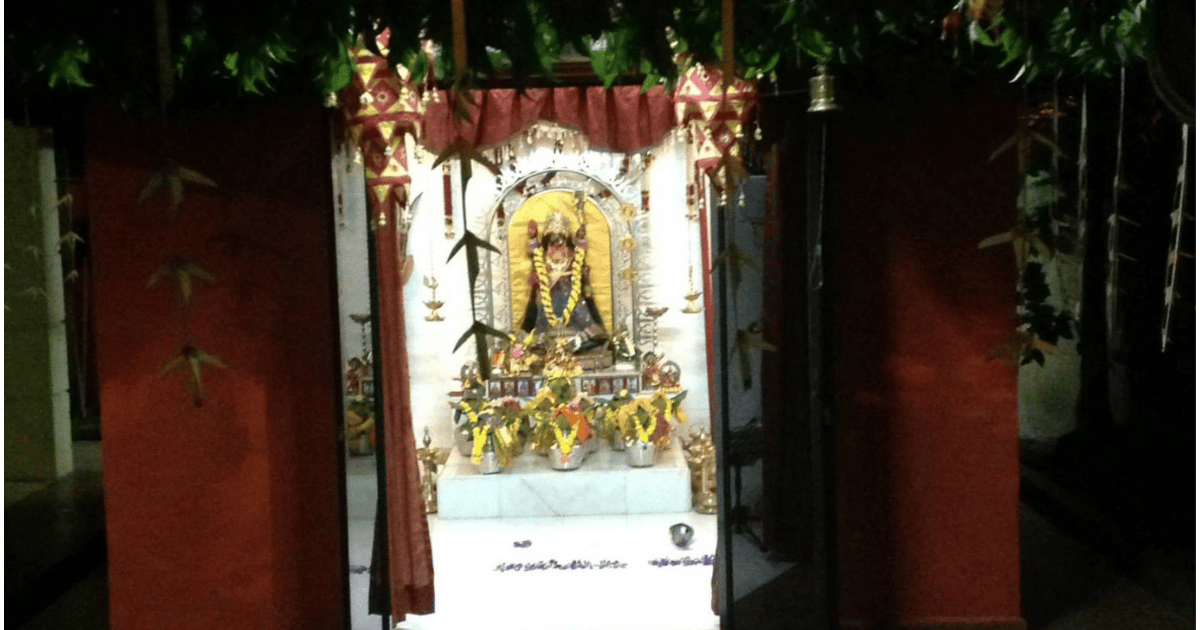
The Karpuradi Stotram stands as one of the most celebrated and esoteric hymns in Indian Shakta Tantra, central to the worship of Dakshina Kali. Spanning medieval to modern traditions, it is profoundly revered for its direct invocation of Kali’s terrifying, liberating, and ecstatic aspects, weaving mantras, dhyana, and ritual visualization with radical frankness and spiritual depth (Dupuche, 2012).
Historical Origin and Authorship
Most scholarly research, including key analyses by Arthur Avalon (Woodroffe), Vimalananda Svami, and modern translators, places the composition of the Karpuradi Stotram in the late medieval period, possibly from the 14th-17th centuries (Dupuche, 2012; Desai, as cited in Dupuche, 2020). The hymn, attributed traditionally to Mahākāla (an epithet of Shiva as the “Great Time”), is often classified as the “Svarupa-Stotra” and claims direct descent from the secret oral traditions of the Kaula and Aghora Tantric lineages (Avalon, 1922; Vimalananda, 1953).
Notably, the Vimalānandadāyinī commentary and the Kālī-rahasyam refer to Mahākāla as “rishi” or sage, but close reading (Dupuche, 2012; Wisdomlib, 2017) suggests possible human authorship with the signature of Mahākāla, perhaps as a doctrinal gesture rather than historical fact; the style and confessional tone, especially in verses expressing humility or bonded animalhood, point toward advanced initiates writing in Mahākāla’s persona.
Scriptural Placement
The Karpuradi Stotram itself is considered a structured Tantric hymn, consisting of 22 cycles, each encoding mantra, dhyana, and ritual visualization. It is preserved in several core tantric texts:
Kali Tantra and derivative Sadhana Granthas, where it is part of Dakshina Kali Dhyana rituals (Kali Tantra, c. 9th–12th century CE; Vimalananda, 1953).
Kali Rahasya and Tantra Sara, which expand upon the mudras, mantras, and yantra constructions given in the Stotram (Woodroffe, 1922; Wisdomlib, 2017).
Occasional references in Mahakala Samhita (“कर्पूराख्यमिदंस्तोत्रं यदुक्तं भवता पुरा”, as cited in Vamapath.com, 2021), asserting its tradition as a primary hymn for Dakshina Kali’s midnight worship and mystical sadhana.
Its puranic resonance is referenced through the Devi Bhagavata Purana and the Kali Khandas of other core texts, but the Stotram mostly derives from the secretive, initiatory Kaula and Aghora traditions (Avalon, 1922; Desai, cited in Dupuche, 2020).
Theological Relevance
The Karpuradi Stotram’s primary function is to establish the “mantrodhara” of Dakshina Kali—her axis mantra, dhyana, yantra, and the sadhana procedure. As confirmed by Avalon’s and Vimalananda’s commentaries, the hymn gives practitioners not only the main dhyana mantra (used for invoking Kali as Dakshina Kalika, auspicious and right-foot-forward), but also detailed instructions for meditative visualization, ritual offerings, and yantra construction (Avalon, 1922; Vimalananda, 1953; Wisdomlib, 2017).
The Practitioner Toolkit
The Karpuradi Stotram is beloved for its poetic energy, direct invocation, and transformational power, yet practiced in isolation it leaves out significant steps long preserved in Kali’s living Tantric traditions¹. Here we illuminate what ritual aligns not only with the mystical spirit of the Stotram, but also with the concrete, embodied wisdom of Kali Tantra, Mahakala Samhita, and Kali Rahasya².In our tradition. it is called karpura arathi that is done during the sandhaya arathi process with champor.
Lacks Grounding in Lineage
गुरुर्ब्रह्मा गुरुर्विष्णुर्गुरुर्देवो महेश्वरः।
गुरुस्साक्षात्परं ब्रह्म तस्मै श्रीगुरवे नमः॥
gururbrahmā gururviṣṇurgururdevo maheśvaraḥ.
gurussākṣātparaṃ brahma tasmai śrīgurave namaḥ..
"The Guru is Brahma, Vishnu, Shiva, and truly the supreme Brahman—salutations to that Guru."¹
गणानां त्वा गणपतिं हवामहे कविं कवीनाम् उपमश्रवस्तमम्।
ज्येष्ठराजं ब्रह्मणां ब्रह्मणस्पत आनश्शृण्वन्नूतिभिः सिदसादनम्॥
gaṇānāṃ tvā gaṇapatiṃ havāmahe kaviṃ kavīnām upamaśravastamam.
jyeṣṭharājaṃ brahmaṇāṃ brahmaṇaspata ānaśśṛṇvannūtibhiḥ sidasādanam..
"O Ganapati, we invoke you, the poet’s poet, the most renowned, elder among teachers, the guardian of knowledge. Come and make your seat among us."²
Every Tantric rite begins with grounding in lineage (Guruparampara) and removal of obstacles through Ganapati. The Karpuradi Stotram presumes the sadhaka has already done this, but tradition insists it is indispensable. Honoring the guru is acknowledging the living presence of the divine teacher, your essential link to the entire current of the mantra’s power. Similarly, Ganapati is invoked as the remover of spiritual and worldly barriers³. These mantras not only sanctify your ritual field, but also link you to the spiritual ancestry that empowers the mantra.
Structured Nyāsa
While Karpuradi’s verses evoke the transformative experience of "becoming Kali," the tradition provides a detailed method for literally installing Kali’s mantras and goddess-powers into every limb and sense-organ⁴. This is the process of nyasa where each mantra syllable, deity aspect, and energetic seed (bīja) is touched and visualized on the body.
क्रीं क्रीं क्रीं नमः शिखायाम्।
हूं हूं नमो दक्षिणनेत्रे।
ह्रीं ह्रीं नमो वामनेत्रे॥
दक्षिणे नमो दक्षिणकर्णे।
कालिके नमो वामकर्णे॥
krīṃ krīṃ krīṃ namaḥ śikhāyām.
hūṃ hūṃ namo dakṣiṇanetre.
hrīṃ hrīṃ namo vāmanetre..
dakṣiṇe namo dakṣiṇakarṇe.
kālike namo vāmakarṇe..
“Krīm krīm krīm—obeisance to the topknot. Hūṃ hūṃ to the right eye. Hrīṃ hrīṃ to the left eye. Dakṣiṇe—obeisance to the right ear. Kālike—obeisance to the left ear.”
The installation aligns the subtle body as the living temple or yantra of Kali. It is not just mechanical: it makes the sadhaka’s body and mind a fit vessel for “real-time” realization of the goddess. Here , the interpretation of the rishi is Mahakala Bhairava by Arthur Avalon (1922) and the assumption it might a human figure by John Dupoche (2012) are both negated as practitioners follow the practice as per Kali Rahasya Tantra.
Purification and Sankalpa: Breath and Mind
ॐ भूः । ॐ भुवः । ॐ सुवः । ॐ महः । ॐ जनः । ॐ तपः । ओं सत्यम् । ॐ तत्त्सवितुर्वरेण्यं भर्गो देवस्य धीमहि। धियो यो नः प्रचोदयात्।
oṃ bhūḥ . oṃ bhuvaḥ . oṃ suvaḥ . oṃ mahaḥ . oṃ janaḥ . oṃ tapaḥ .
oṃ satyam . oṃ tattsaviturvareṇyaṃ bhargo devasya dhīmahi. dhiyo yo naḥ pracodayāt.
“Om bhuh, bhuvah, suvah… let us meditate on that divine illumination to inspire our intelligence.”⁵
ममोपात्तसमस्तदुरितक्षयद्वारा श्रीपरमेश्वरप्रीत्यर्थं श्रीदक्षिणकालिकाप्रसादसिद्ध्यर्थ...
mamopāttasamastaduritakṣayadvārā śrīparameśvaraprītyarthaṃ śrīdakṣiṇakālikāprasādasiddhyartha...
“I do this to destroy all my sins, please Parameshwara, and receive the grace of Dakshina Kali for all my aims.”⁶
Traditional manuals insist that before mantra or hymn, the practitioner should purify the breath and focus the mind with a clear intention or vow (sankalpa)⁶.This ensures that not only your body but also your will and direction are aligned. This mental centering is key for ritual success and it prevents distracted or dissipated energy during practice.
*Visualization (Dhyāna) of the Form
शवारूढां महाभीमां घोरदंष्ट्रां हसन्मुखीम्।
चतुर्भुजां खड्गमुण्डवराभयकरां शिवाम्॥
śavārūḍhāṃ mahābhīmāṃ ghoradaṃṣṭrāṃ hasanmukhīm.
caturbhujāṃ khaḍgamuṇḍavarābhayakarāṃ śivām..
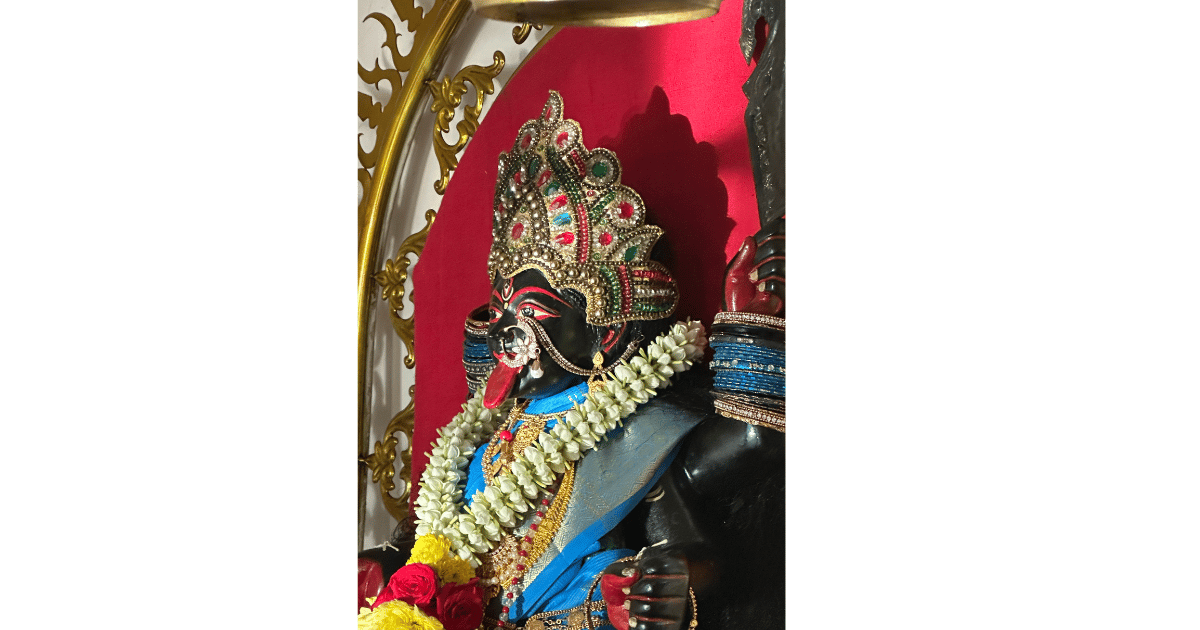
“She rides the corpse, fiercely terrible, grim-toothed with a smiling face, four-armed with sword, head, boon, and protection in hand.”⁷
मुण्डमालाधरां देवी ललज्जिह्वां दिगम्बराम्।
एवं सञ्चिन्तयेत्कालीं श्मशानालयवासिनीम्॥
muṇḍamālādharāṃ devī lalajjihvāṃ digambarām.
evaṃ sañcintayetkālīṃ śmaśānālayavāsinīm..
“She who wears the garland of skulls, red-tongued and naked, residing in the cremation ground, such is the Kali one should contemplate.”⁸
Tantra holds that full visualization is as important as recitation. The concrete “seeing” of Kali, in all her iconographic details, activates the energy the hymn is meant to invoke⁷. The more accurately you visualize, the more powerfully the recitation will manifest Kali’s presence.
*Manasika Upachara
While Karpuradi assumes internalized offerings, most tantric rites call for explicit fivefold or even fivefold manasik upachara, composing a full material or mental honoring of the goddess’s elements and senses⁹.
पृथिव्यात्मने गन्धं कल्पयामि नमः।
हं आकाशात्मने पुष्पाणि कल्पयामि नमः।
यं वाय्वात्मने धूपं कल्पयामि नमः।
रं अग्न्यात्मने दीपं कल्पयामि नमः।
वं अमृतात्मने अमृतं महानैवेद्यं कल्पयामि नमः।
pṛthivyātmane gandhaṃ kalpayāmi namaḥ.
haṃ ākāśātmane puṣpāṇi kalpayāmi namaḥ.
yaṃ vāyvātmane dhūpaṃ kalpayāmi namaḥ.
raṃ agnyātmane dīpaṃ kalpayāmi namaḥ.
vaṃ amṛtātmane amṛtaṃ mahānaivedyaṃ kalpayāmi namaḥ.
“To earth, I offer fragrance; to sky, flowers; to air, incense; to fire, flame; to water, the supreme nectar.”⁹
Making these offerings, even mentally if not physically, strengthens the ritual field and makes the inner realizations stable.
*Sealing and Closing the Ritual
Proper protection and closure of the ritual space is critical in tantra, especially when invoking fierce energies¹⁰. This is achieved by sealing directions at the beginning and opening at the end.
ह्रीं भूर्भुवस्सुवरोमिति दिग्बन्धः॥
hrīṃ bhūrbhuvassuvaromiti digbandhaḥ..
“Hrim bhur bhuvah suvah—the directions are sealed.”¹⁰
ह्रीं भूर्भुवस्सुवरोमिति दिग्विमोकः॥
hrīṃ bhūrbhuvassuvaromiti digvimokaḥ..
“Hrim bhur bhuvah suvah—directions are unsealed.”¹¹
This ensures your field is guarded and all forces invoked are properly released.
Why do these steps above complete Karpuradi Stotram
Each added element not only “protects” the practitioner and sacred field but ensures the transformative power of the Karpuradi Stotram will penetrate deeply and manifest in one’s body, mind, and environment. Far from diminishing the hymn’s ecstatic intimacy, these steps serve as gates that make ecstatic unity, safety, and effective spiritual results possible. Also, both Sir Artur Avalon, who negates scandalous elements, including the pancha makara practice, and Dupont who feels the verses are representing kaulic sexual act are correct as Sir Arthur Avalon follows the later tantric text called Mahanirvana Tantra whilst Dupont shares Kaulavalli and Kali Tantra vamachara practices, as Karpuradi Stotram has universal application and not closed to certain dogmastism of practices. As the practitioners evolve, he sees both are present in karpuradi stotra and understanding comes with maturity that each is a stage to be transcended from pasu to vira and then to divya bhava in kali krama.
Jai Kali !
Endnotes
Kali Rahasya, Ch. 1, v. 2. Manuscript edition published by Woodroffe, J.G. (1922), London: Luzac & Co.
Mahakala Samhita, Ch. 3, v. 2. Critical edition (Vamapath.com, 2021).
Kali Tantra, Ch. 17, v. 16–18, Nityachara Shakta Agama Series (Kaulavali Tantra Ed., 2009).
Mahakala Samhita, Ch. 8, v. 4, Indian Archives Ed. (Vimalananda Svami, 1953).
Mahakala Samhita, Ch. 6, v. 11, Bengali Manuscript (Vimalananda Svami, 1953).
Kali Rahasya, Ch. 2, v. 11, Indian Archives (Woodroffe, 1922).
Mahakala Samhita, Ch. 7, v. 3, Sanskrit critical edition (Vimalananda Svami, 1953).
Kali Rahasya, Ch. 3, v. 21. ed. Bengali.
Kali Tantra, Ch. 19, v. 4, Shakta Tantra Sangraha (Kaulavali Tantra, 2009).
Kali Rahasya, Ch. 4, v. 5, ed. Chennai, 2006.
Kali Rahasya, Ch. 4, v. 6, Manuscript (Woodroffe, 1922).
Mahakala Samhita, Ch. 5, verses on tattva purification (paste.txt extract).
Mahakala Samhita, Ch. 8, hṛdaya nyāsa sequence (paste.txt extract).
Mahakala Samhita, Ch. 9, dinnyaasa and directional ritual verses.
JOIN US
If you have any questions please feel free to contact us by calling +60122947313. All information you send through this site is kept confidential.
Please rest assured that only authorized personnel has access to information sent.
Follow US
Connect WITH US
swamiji@dakshinakali.org
+6012 294 7313
© 2025. All rights reserved.
contact US