dakshinakali.org

Chandi Path
Recitation to Divine Transformation
8/15/20257 நிமிடங்கள் வாசிக்கவும்
Om Kali ,
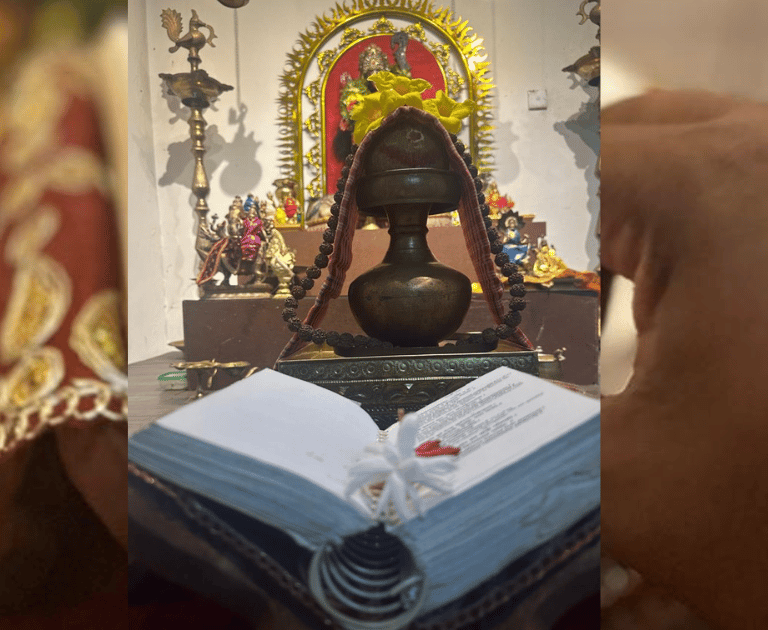
The Chandi Path is not a modern invention or contemporary spiritual trend. Its roots run deep into the spiritual soil of ancient India, specifically to the Devi Māhatmya), a sacred text composed during the Gupta period (approximately 400-500 CE) and preserved within the Markandeya Purana, one of Hinduism's 18 major Puranas.¹ The Devi Mahatmya Upanishad, an esoteric commentary, declares this scripture as the supreme knowledge:
देवीमाहात्म्यं दुर्गासप्तशती नाम्नी एकैव विद्या।
सप्तशततन्त्रं परमब्रह्मविद्या सर्वविद्यामयी।
मूलं चण्डीपाठस्य सर्वसाधनानाम्॥
devīmāhātmyaṃ durgāsaptaśatī nāmnī ekaiva vidyā |
saptaśatatantraṃ paramabrahmavidyā sarvavidyāmayī |
mūlaṃ candīpāṭhasya sarvasādhnanām ||
The Devi Mahatmya, called the Durga Saptashati, is one supreme knowledge. The 700-verse tantra is the supreme Brahma-Vidya pervaded by all knowledge. It is the root of all Chandi practices."
- Prathama Anuvaka (First Section)² Devi Mahatmya Upanishad
For over 1,500 years, countless seekers have engaged with these 700 sacred verses, experiencing their transformative power across every region of the Indian subcontinent. This is not merely recitation; it is a direct transmission of divine consciousness preserved through human voice and devoted practice. The ancient texts make clear that Chandi Path is not simply devotional expression but the very foundation of all spiritual accomplishment, a technology of consciousness refined and tested across millennia.
The Divine Text
The Devi Mahatmya or Durga Saptaśatī, meaning "The 700 Verses of Durga," are the same sacred text known by different names.³ This distinction matters because it reveals how the same scripture was transmitted and adopted across different regions of India, with each culture honoring it through slightly different nomenclature and practice methodology. The Kali Tantra explicitly prescribes Chandi Path recitation as the supreme practice:
चण्डीपाठने महाविद्या सर्वसिद्धिप्रदायिनी।
सप्तशततन्त्रे पठने भवेत् सर्वकामसिद्धिः।
नवरात्रे पठनं परमं ब्रह्मविद्या।
सर्वपापविनाशनं चण्डीपाठनमुच्यते॥
candīpāṭhne mahāvidyā sarvasiddhipradāyinī |
saptaśattanttre paṭhne bhavet sarvakāmsiddhiḥ |
navātre paṭhnaṃ paramaṃ brahmavidyā |
sarvapāpvnā śanaṃ candīpāṭhnmucyate ||
In Chandi Path recitation, the Mahavidya grants all accomplishments. Through the 700-verse recitation, all desires are fulfilled. Recitation during Navratri is the supreme Brahma-Vidya. The Chandi Path is said to destroy all sins."
- Patala (Section) 1-2⁴ Kali Tantra
This ancient injunction has guided practitioners for centuries, making Chandi Path the most universally recognized and practiced Shakta ritual across Hindu communities. The prescription is clear: through 700-verse recitation, all desires are fulfilled; during Navratri, recitation becomes the supreme Brahma-Vidya (knowledge of Brahman itself); and through this practice, all sins are destroyed. This is not promise but cosmic law—the natural consequence of aligning your individual consciousness with the supreme consciousness through sacred sound.
The Southern Tradition:
In Tamil Nadu, the Chandi Path practice represents the oldest continuous transmission in modern India.⁵ The Meenakshi Temple in Madurai and the Varadharaja Temple in Kanchipuram have maintained unbroken lineages of Chandi Path recitation for over two millennia. During the Chithirai (April) festival and throughout Navratri, priests perform daily recitations where Sanskrit syllables fill temple chambers with sacred vibration. The Tirumala Nayakkar Vyakhyanam (a Tamil commentary) affirms this ancient tradition:
तमिलदेशे चण्डीपूजा प्राचीनतमा।
मदुरायां वृन्दावने चण्डीमन्दिरे।
कञ्चीपुरे प्रसिद्धा पाठनम् सप्तशतीयम्।
तिरुवन्नामलै न्यसे देवीसाक्षात्कारः॥
tamila-deśe caṇḍī-pūjā prācīnatamā |
madurāyāṁ vṛndāvane caṇḍī-mandire |
kāñcīpure prasiddhaṁ pāṭhanaṁ saptaśatīyam |
tiruvannāmalai nyase devī-sākṣātkāraḥ ||
In Tamil Nadu, Chandi worship is most ancient. In Madurai's temples and in Kanchipuram, Saptashati recitation is famous. In Tiruvannamalai, direct realization of the Goddess occurs."
- Regional Practices Section⁶Tirumala Nayakkar Vyakhyanam (Tamil commentary on Markandeya Purana)
What distinguishes the Tamil practice is its integration with temple ritualism and community participation. Families gather in homes and temples, chanting verses collectively while performing offerings of flowers, incense, and food. The practice is deeply embedded in Dravidian culture, where the Goddess (Amma) is worshipped as the supreme principle of existence, and Chandi Path is the vehicle for invoking her power. In Madurai's Brindavan, in Chandi temples, and in Kanchipuram's sacred spaces, the Saptashati recitation has become so powerful that at Tiruvannamalai, practitioners report direct realization of the Goddess herself emerging from the sacred vibration of the verses.
What makes Bengal unique is the practice of Chandi Shat Path (six-fold recitation of the 700 verses) and Chandi Saptha Path (seven-fold recitation), where devotees intensify the practice by reciting the entire text multiple times during the nine-day festival period. The Devi Bhagavata Purana describes this schedule and validates the approach:
नवरात्रे चण्डीपाठः षष्ठ दिवसे होमः।
होमे अग्निदेवता देवीसन्निधिः।
नवनिधिसिद्धिः देवीहोमात् निश्चितम्।
बङ्गे बाङ्गालीनां धर्मः चण्डीपाठ होमयोः॥
nvrttre candīpāṭhaḥ ṣaṣṭh divse homaḥ |
home agniddevtā devīsnndhiḥ |
nvnidhsiddhiḥ devīhomt niścitm |
bnge bānglīnāṃ dhrmḥ candīpāṭh homyoḥ ||
"During Navratri, Chandi Path is recited. In the Homa, Agni-dev is present with the Goddess's presence. Nine-treasure accomplishment is assured. In Bengal, the dharma of Bengalis is Chandi Path."
- Navratri Worship Schedule Section⁸Devi Bhagavata Purana
The Bengali approach combines individual spiritual practice with communal celebration entire neighborhoods participate in synchronized recitations, creating a field of collective consciousness where the Goddess's presence becomes palpable and transformative. In Bengal, the very dharma (spiritual duty) of the people centers on Chandi Path recitation.
The Northeastern Tradition
Assam preserves the most esoteric interpretations of Chandi Path within the tantric framework. At the Kamakhya Temple, one of the 51 most sacred Shakti shrines, Chandi Path recitation is integrated with advanced tantric practices, performed during specific lunar phases by accomplished practitioners who have received initiation from qualified gurus.⁹ The practice here is not public entertainment but sacred technology accessible only to serious seekers. The benefits described in the Chandi Upanishad become particularly relevant here,the destruction of both internal and external enemies:
चण्डीपाठात् शत्रुनाशः शीघ्रमेव भवेत्।
आन्तरिक बाहिर्यं च दुष्टनिवारणम्।
मन्त्रसामर्थ्यात् सर्वविघ्नक्षयः।
देवीकृपात् पूर्णमुक्तिरेव भवेत्॥
candīpāṭhāt śatrunāśaḥ śīghrmev bhavet |
āntrika bāhiryaṃ ca dusṭnivāranam |
mantrasāmarthyāt sarvaviśghnkaṣyaḥ |
devīkṛpāt pūrnmuktir ev bhavet ||
"From Chandi Path recitation, the destruction of enemies comes swiftly. Removal of both internal and external obstacles. Through the power of the mantra, all hindrances dissolve. Through the Goddess's grace, complete liberation comes."
- Agha Nivarana Adhyaya (Obstacle Removal Section)¹⁰Chandi Upanishad
Chandi recitation is combined with specific yogic practices, mudras (hand gestures), and meditation techniques that amplify the practice's transformative power. The Assamese tradition recognizes that from Chandi Path recitation, the destruction of enemies comes swiftly, both the demons within (ego, fear, ignorance) and obstacles in the external world. Through the power of the mantra, all hindrances dissolve, and through the Goddess's grace, complete liberation becomes possible. This is sacred technology accessible only to serious seekers who understand that the practice demands integrity, discipline, and sincere dedication to transformation.
The Northern Tradition:
Uttarakhand, particularly the pilgrimage centers of Haridwar and the Nanda Devi Temple region, has developed Chandi Path as the quintessential practice for spiritual seekers.¹¹ At Hari-ki-Pauri (Haridwar), where the Ganga flows eternally, ashrams and temples organize nine-day Chandi Path recitations that attract pilgrims from across India. The Bhuvaneshwari Samhita describes the material benefits that accompany spiritual development:
सप्तशततन्त्रपठने सर्वकामाः पूर्यन्ते।
धनधान्यपशुप्राप्तिः पुत्रपौत्रदारसुख।
राज्यलक्ष्मी कीर्तिवृद्धिरेव मिलन्ति।
चण्डीपाठसमर्पणात् सर्वार्थसिद्धि भवेत्॥
saptaśata-tantra-paṭhane sarva-kāmāḥ pūryante |
dhana-dhānya-paśu-prāptiḥ putra-pautra-dāra-sukham |
rājya-lakṣmī kīrti-vr̥ddhir eva milanti |
caṇḍī-pāṭha-samarpaṇāt sarvārtha-siddhir bhavet |
"Through 700-verse recitation, all desires are fulfilled. Attainment of wealth, grain, cattle, and the happiness of sons, grandsons, and wives. Royal fortune and reputation come forth through Chandi Path dedication, accomplishment of all goals is achieved."
- Sampadya Prapti Khanda¹² Bhuvaneshwari Samhita.
The practice here is performed in sacred locations where spiritual power naturally accumulates, amplifying the effects of recitation. Through 700-verse recitation, all desires are fulfilled wealth, grain, cattle, and the happiness of family members. Royal fortune and reputation come forth through Chandi Path dedication. Practitioners believe that Chandi Path performed at pilgrimage sites carries amplified transformative potential because the location itself is already saturated with divine consciousness. The Northern tradition emphasizes the geography of spirituality that certain places naturally support and accelerate spiritual practice. When you chant Chandi Path at Haridwar or in the Himalayan foothills, your individual consciousness aligns not only with divine consciousness but also with the spiritual energy stored in that sacred place across centuries.
Why Chandi Path Matters
The deepest benefits of Chandi Path extend beyond material prosperity to the realm of ultimate liberation. The Chandi Krama, a subsidiary text addressing this practice, describes the ultimate transformation:
कर्मक्षयः पूर्णमोक्षः परब्रह्मलीनता।
चण्डीमन्त्रपठनेन सर्वबन्धविमोचनम्।
अद्वैतज्ञानोदयः परमाननदायः।
सप्तशतीपाठे सिद्ध्यते नैसर्गिकी मुक्तिः॥
karmakaṣyaḥ pūrnmokṣaḥ parabrhmmlīntā |
candīmntrapṭhnen sarvbandhavimocanm |
advaitjñānodayaḥ paramānnndāyaḥ |
saptaśtīpāṭhe siddhyte naisrgikī muktiḥ ||
“Karmic dissolution and complete liberation come through absorption in Brahman. Through Chandi mantra recitation, all bondage is released. Non-dual knowledge awakens, bringing supreme bliss. Through Saptashati recitation, natural freedom is attained."
- Moksha Prada Adhyaya ¹³Chandi Krama
Through Chandi mantra recitation, karmic dissolution occurs—complete liberation, absorption in Brahman. All bondage is released. Non-dual knowledge awakens spontaneously, bringing supreme bliss. Through Saptashati recitation, natural freedom is attained. The Shakta tradition does not reject material prosperity as inferior—rather, it recognizes that financial stability creates the foundation upon which genuine spiritual practice flourishes. The practice addresses the complete human being: material security through prosperity, emotional integration through devotion, and ultimate liberation through direct experience of non-dual consciousness.
Attend Next Navratri
The upcoming Navratri period represents the most auspicious time to begin or deepen your Chandi Path practice. During these nine sacred nights, the cosmic veil between the individual and divine becomes thin. The three goddesses Mahakali, Mahalakshmi, and Mahasaraswati are invoked collectively, creating a unified field of divine consciousness accessible to sincere seekers. Dr. David Kinsley (University of Chicago) confirms: "The Chandi Path represents one of the most systematic theological and practical engagements with the Divine Feminine in world religion."¹⁴ When you recite Chandi Path during Navratri in community with thousands of other practitioners across India, you're not isolated—you're participating in a collective spiritual resonance that has been building for over 1,500 years. The power amplifies exponentially. Obstacles dissolve more swiftly. Desires manifest more readily. Consciousness expands more dramatically.
Jai Kali!
Endnotes
Historical records on Devi Mahatmya composition (400-500 CE, Gupta period); Journal of Hindu Studies research; Kinsley (1997).
Devi Mahatmya Upanishad, Prathama Anuvaka teaching on Supreme Vidya and root of all practices.
Markandeya Purana, Devi Mahatmya introduction; text composition documentation.
Kali Tantra, Patala 1-2, Chandi Path prescription (verse enumeration varies by manuscript tradition).
Tamil Nadu Chandi worship traditions; continuous temple practice documentation.
Tirumala Nayakkar Vyakhyanam (Tamil commentary on Markandeya Purana), Regional Practices Section.
Kalika Purana, Adhyaya on Regional Worship (medieval Bengal composition).
Devi Bhagavata Purana, Navratri Worship Schedule Section.
Kamakhya Temple (Assam) traditions and esoteric Chandi recitation practices.
Chandi Upanishad, Agha Nivarana Adhyaya (obstacle removal section) teaching on destruction of enemies and liberation.
Uttarakhand pilgrimage traditions and Haridwar Chandi Path practices.
Bhuvaneshwari Samhita, Sampadya Prapti Khanda (Section on Attainment of Wealth) teaching on prosperity through recitation.
Chandi Krama, Moksha Prada Adhyaya (Section on Liberation) teaching on karmic dissolution and natural freedom.
Kinsley, David (1997), Hindu Goddesses: Visions of the Divine Feminine in the Hindu Religious Tradition, University of Chicago Press, p. 145.
The Eastern Tradition
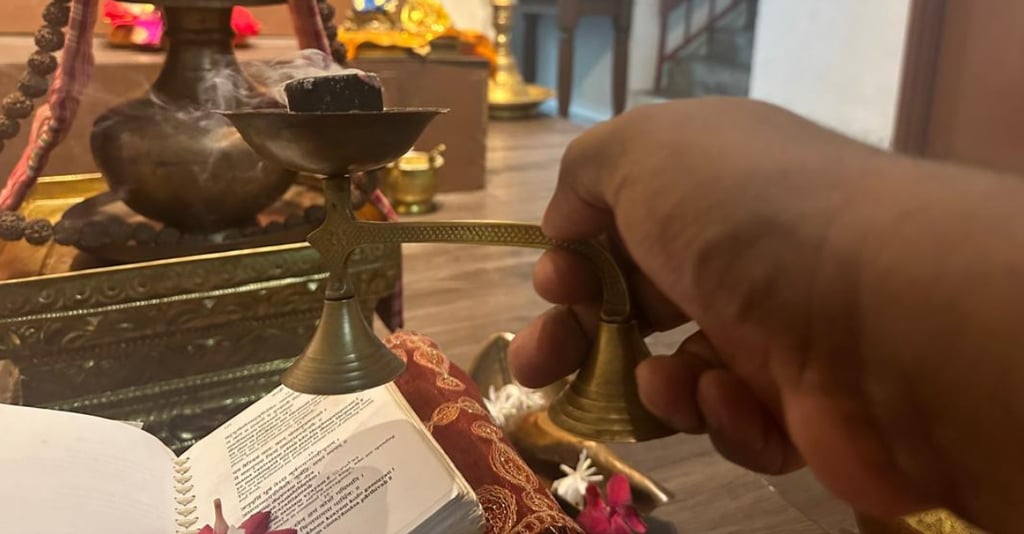
Bengal represents the zenith of Chandi Path practice in modern times. Every Durga Puja (September-October), millions engage in recitation practices that transform entire neighborhoods into temples of consciousness. The Kalika Purana, composed in medieval Bengal, explicitly names Bengal as the supreme center of Goddess worship:
बङ्गदेशे देवीसाधना सर्वोच्चा।
चण्डीपाठे बङ्गे ब्रह्मविद्या प्रकाशते।
होमाग्निमुखे देवीप्रकटता सर्वदा।
कोलकाते काली मन्दिरे सप्तशती पठ्यते॥
baṅgadeśe devīsādhanā sarvocchā |
caṇḍīpāṭhe baṅge brahmavidyā prakāśate |
homāgnimukhe devī prakaṭatā sarvadā |
kolakāte kālīmandire saptaśatī paṭhyate ||
"In Bengal, Goddess worship is supreme. In Chandi Path in Bengal, Brahma-Vidya is revealed. Through divine presence, Goddess manifestation is constant. At Kali Temple in Kolkata, Saptashati is recited."
- Adhyaya (Chapter) on Regional Worship⁷Kalika Purana
JOIN US
If you have any questions please feel free to contact us by calling +60122947313. All information you send through this site is kept confidential.
Please rest assured that only authorized personnel has access to information sent.
Follow US
Connect WITH US
swamiji@dakshinakali.org
+6012 294 7313
© 2025. All rights reserved.
contact US